Redback Roller Reamers: Supporting Geothermal Drilling Performance and Wellbore Quality

Geothermal environments place significant demands on drilling equipment, well construction activities and overall project performance. Redback Roller Reamers help operators improve drilling efficiency, maintain wellbore quality and reduce operational risk, supporting more predictable geothermal project outcomes. From managing harsh downhole conditions to supporting well construction, Roller Reamers play an important role throughout the geothermal drilling process.

Supporting Performance in Harsh Geothermal Environments

Geothermal drilling exposes equipment to a combination of challenging downhole conditions that can affect drilling performance, wellbore quality and operational efficiency. From elevated temperatures to abrasive formations and demanding wellbore conditions, operators need tools capable of supporting reliable drilling performance in these harsh environments.

High temperature is one example. While conventional sealed-bearing roller reamers are often rated to approximately 149°C (300°F), many geothermal reservoirs exceed these conditions. Redback Roller Reamers are available with cutter options rated as approximately 200°C (392°F) for the 100 Series and 350°C (662°F) for the 600 Series geothermal cutters. These ratings highlight the capability of Roller Reamers to operate in geothermal environments where elevated temperatures may be encountered.

As with any geothermal application, tool selection should consider the specific operating environment, including temperature, bearings, seals and lubrication requirements. By helping operators manage a range of harsh downhole conditions, Roller Reamers support drilling efficiency and confidence throughout the well construction process. Beyond Temperature: Solving Key Geothermal Drilling Challenges

While high-temperature environments often receive the most attention in geothermal drilling, they are only one part of the challenge. Geothermal wells frequently encounter granite, basalt, volcanic and metamorphic formations, which can accelerate wear on drilling equipment and place significant demands on drilling operations. Formation changes can also create ledges, micro-doglegs and irregular wellbore profiles, while tight spots and restricted sections can increase the risk of stuck pipe events, drilling interruptions and difficulties when running casing.

These challenges can affect drilling efficiency, increase non-productive time and create downstream issues during well construction. Even minor wellbore irregularities can have a significant impact on drilling performance, equipment reliability and overall project costs.

Redback Roller Reamers help address these challenges by conditioning and enlarging the wellbore throughout the drilling process. By reducing vibration, maintaining hole condition and minimising wellbore irregularities, Roller Reamers can help reduce drilling disruptions and non-productive time. Through low-contact stabilisation and effective hole conditioning, Roller Reamers help reduce vibration and torque, maintain hole gauge, improve borehole geometry and support a smoother, more consistent wellbore profile.

A Smoother Wellbore Today Prevents Expensive Problems Tomorrow

The value of a Roller Reamer extends well beyond the drilling process itself. By helping maintain hole gauge, improve borehole geometry and reduce wellbore irregularities, Redback Roller Reamers support the development of a smoother and more consistent wellbore.

A quality-conditioned wellbore can help simplify casing and liner deployment, reduce casing wear and damage, improve cement placement and lower the risk of stuck pipe events. The result is reduced completion risk, greater confidence during well construction and more predictable outcomes. In short, a smoother wellbore today can help prevent expensive problems tomorrow.

Supporting the Success of the Entire Geothermal Project

The benefits of improved wellbore quality extend throughout the geothermal project lifecycle. By helping reduce drilling interruptions, minimise non-productive time and support more predictable well construction activities, Redback Roller Reamers contribute to safer operations, improved schedule certainty and better cost control.

From drilling through to completion, Redback Roller Reamers help geothermal operators manage risk, improve operational efficiency and support more predictable progress towards total depth (TD) and project completion. In challenging geothermal environments, these advantages can play an important role in supporting successful project outcomes.
How Redback Drilling Tools and Manufacturing Eliminated Line-of-Fire Risk Through Design

Results Snapshot

  • Eliminated a major line-of-fire hazard from wellhead bracing operations
  • Reduced installation time from ~1 month to 1–2 weeks
  • Minimized civil works and overall project costs
  • Improved wellhead integrity management and operational safety
  • Delivered a scalable solution for oil and gas assets across Australia


Driving Safer, More Efficient Wellhead Operations

In high-risk oil and gas environments, eliminating line-of-fire exposure is not just a safety priority; it’s a critical operational requirement.

This case study highlights how Redback Drilling Tools and Manufacturing partnered with our client to challenge a conventional wellhead bracing approach by engineering out risk through smarter design.

By focusing on real-world operational challenges in the Cooper Basin, the solution not only improved safety outcomes but also delivered a more efficient, scalable way to manage wellhead integrity across remote and asset-intensive operations. 


Eliminating Line-of-Fire Hazards Through Design


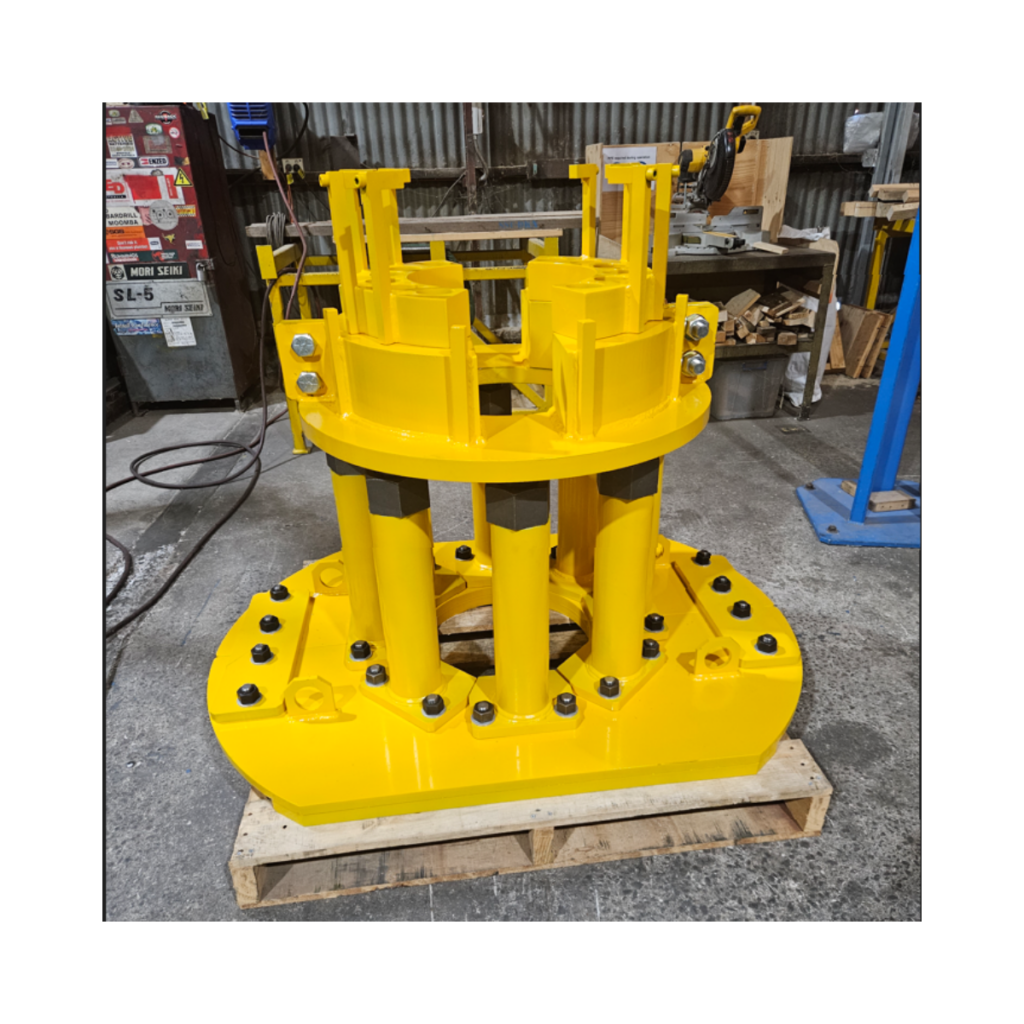
Eliminating Line-of-Fire Hazards through Design is a custom-engineered wellhead bracing solution developed to address critical safety and operational challenges.

Working closely with our client, the Redback engineering team applied a practical, problem-solving approach to understand the risks inherent in traditional wellhead bracing and identify a safer, more effective alternative.

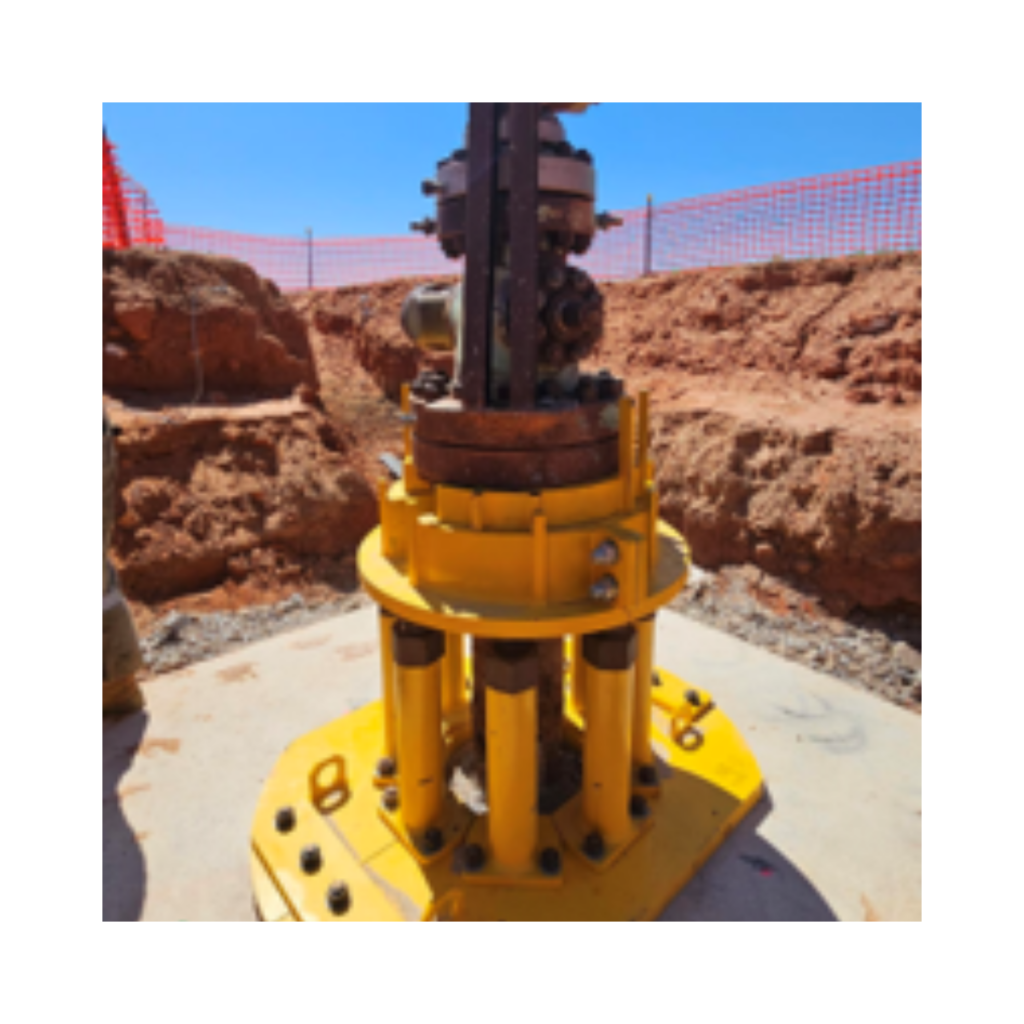
By redesigning the conventional method, the team developed a compact, high-capacity brace that supports the casing spool directly removing the need for conductor pipe removal.

This approach not only resolves a site-specific challenge but also addresses a broader industry’s need, demonstrating how engineering-led solutions can eliminate risk while improving efficiency across oil and gas operations.


Designing Out Risk at Its Source


Line-of-fire hazards remain one of the most significant safety risks in upstream oil and gas operations in Australia and globally.

Historically, these risks have been managed through procedural or administrative controls but are rarely eliminated entirely.

This project reflects a shift towards engineering-led risk elimination. By removing the hazard at its source, rather than managing exposure, the solution aligns with the highest level of the hierarchy of controls, setting a new benchmark for safer intervention practices.


Solving a High-Risk Legacy Challenge in the Cooper Basin

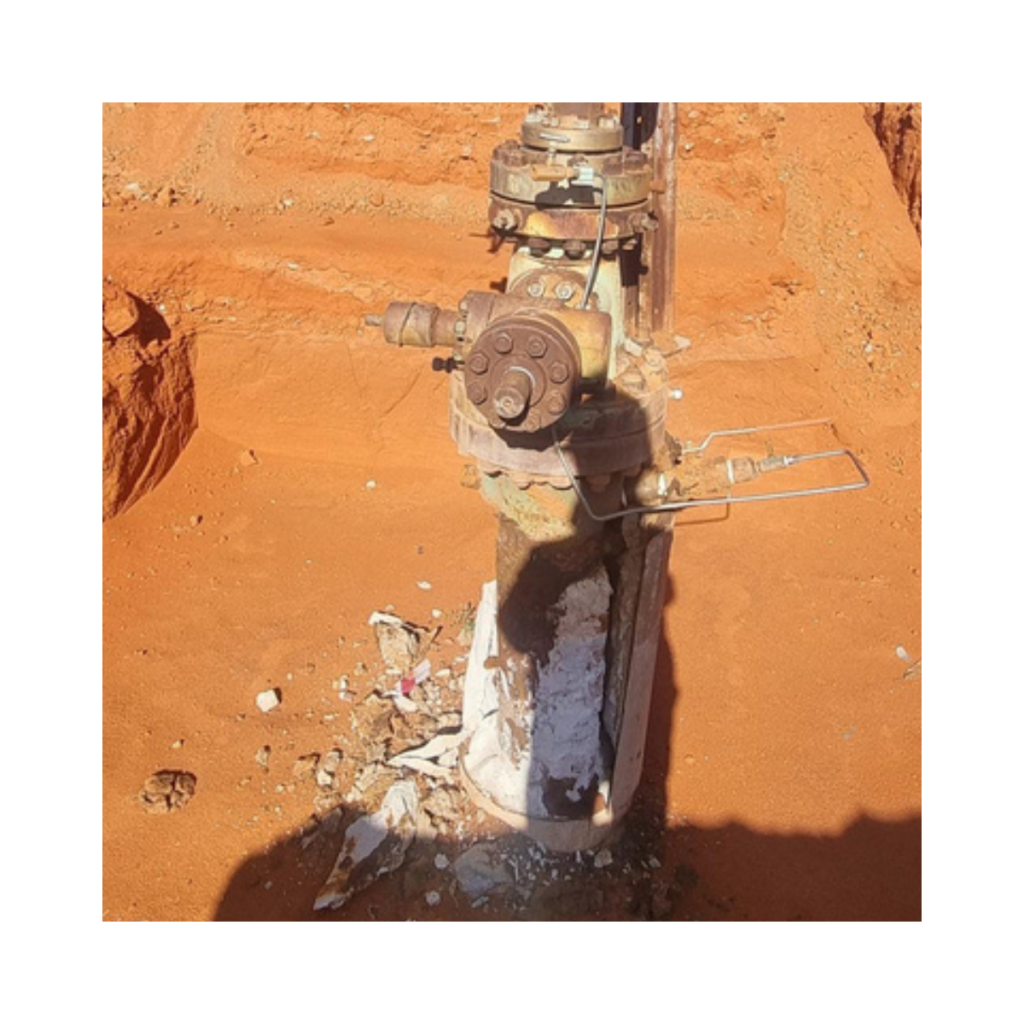
In Australia’s Cooper Basin, wellhead subsidence caused by casing corrosion requires bracing to maintain structural integrity.

The conventional approach required cutting and removing the conductor pipe to install a collar-based brace, an activity that exposed workers to significant line-of-fire risks, particularly during cellar excavation.

This method also:

  • Increased subsidence risk
  • Extended installation timelines (up to one month)
  • Required extensive civil works, adding cost and complexity

The redesigned brace eliminates the need for conductor removal entirely, by removing the primary source of risk while significantly reducing project scope, time, and cost.


Engineering the Solution Through Collaboration


Delivering this solution required more than design, it demanded collaboration, iteration, and real-world validation.

Over a two-year period, Redback and our client worked together to refine the concept through multiple design iterations. Early concepts were tested against operational constraints, including torsional loads, installation feasibility, and field conditions.

A critical milestone was the pilot installation at a subsidence-affected operational site. This provided a real-world test under challenging conditions, with learnings from field execution directly informing final design improvements.

Balancing a high load capacity (200T) with a compact footprint, while maintaining installation simplicity was a key engineering challenge successfully addressed.


Delivering Measurable Value Across Safety and Performance

The final design incorporates a rotating base plate and vertical support legs, allowing the brace to stabilise the casing spool directly without conductor pipe removal.

This delivers measurable improvements across safety, operational performance, and cost efficiency:

  • Eliminates a major line-of-fire exposure, improving workforce safety
  • Reduces installation time from approximately one month to 1–2 weeks
  • Minimises civil works and associated costs
  • Simplifies installation, reducing operational complexity

The design is also adaptable across conventional oil and gas assets,—making it a scalable solution for wellhead integrity challenges across Australia and similar operating environments.


From Local Challenge to Industry-Wide Impact

What began as a response to a specific Cooper Basin challenge has evolved into a solution with broader industry relevance. 

By removing high-risk activities and simplifying execution, the design enables:

  • Safer worksites with reduced exposure
  • Less time spent in hazardous environments
  • More predictable and efficient project delivery

For operators, the benefits are immediate-shorter timelines, reduced reliance on heavy civil works, and improved cost efficiency without compromising safety or performance.


Engineering Innovation Recognised Nationally


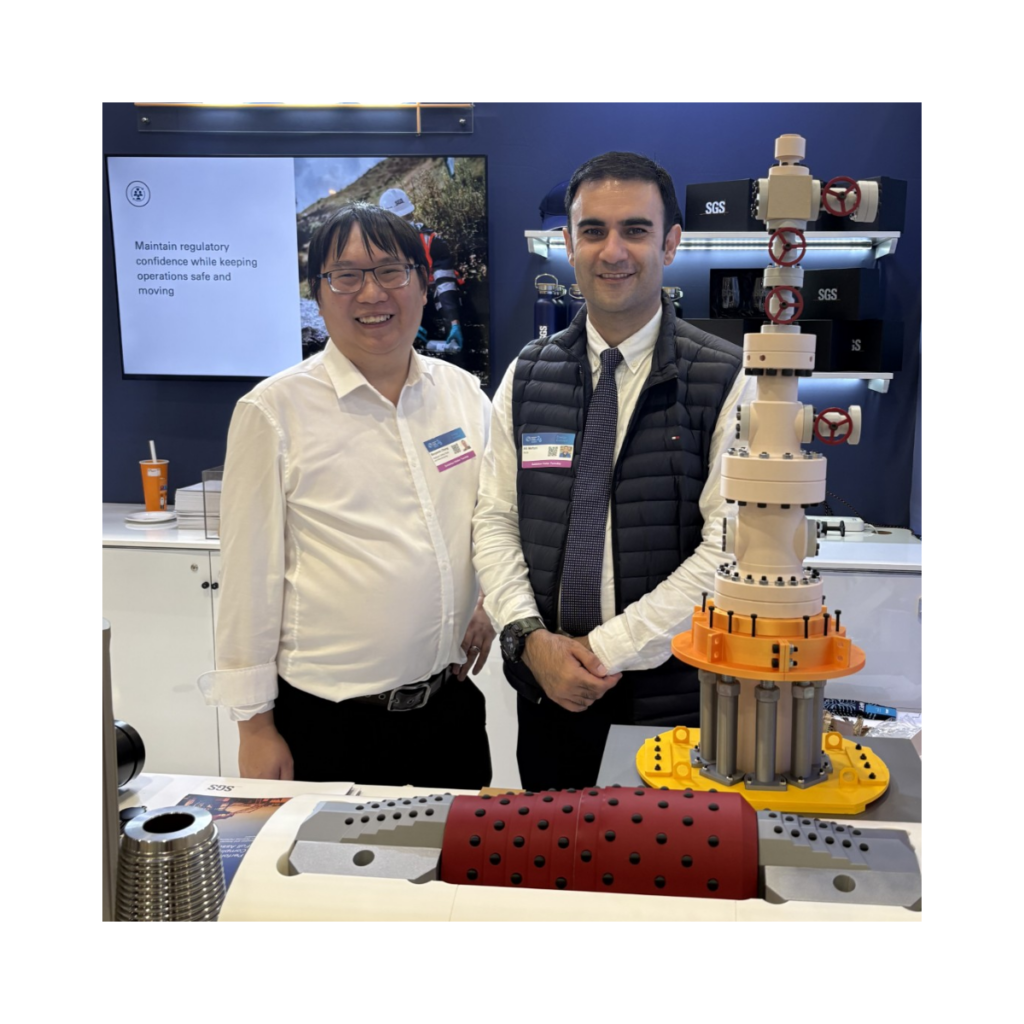
This solution was showcased at the Australian Energy Producers Conference 2026, where a 3D model of the wellhead brace design was presented at the SGS/Redback stand.

Submitted into the AEP Innovation Awards, the project was recognised as a Top 3 finalist highlighting its impact as a practical, real-world engineering innovation in Australia’s energy sector.

For Redback, this recognition reflects a commitment to delivering solutions that are grounded in operational need, eliminate risk through design, and create measurable value for clients and the broader industry.


Redback Drilling Tools & Manufacturing

Redback Drilling Tools & Manufacturing Strengthens Defence Capability Through SGS Australia JOSCAR Accreditation

Redback Drilling Tools & Manufacturing is proud to announce a significant step forward in our defence sector capability, following SGS Australia’s JOSCAR registration.

As part of SGS Australia’s network, this milestone enables Redback to align with a globally recognised defence supplier accreditation system, enhancing our ability to support defence projects with confidence and credibility, while reinforcing our sovereign supply capability within Australia.

Strengthening Redback’s Role in the Defence Supply Chain
This achievement strengthens our position within the Australian defence supply chain, enabling:

  • Faster, more efficient engagement with defence contractors and partners
  • Increased trust through independently verified credentials
  • Stronger alignment with defence procurement standards
  • Strengthened sovereign supply capability through locally delivered engineering and manufacturing
  • Reduced reliance on international supply chains for critical support and services

A Stronger Defence Future
JOSCAR is widely recognised across the defence sector as a trusted supplier qualification framework. By leveraging SGS Australia’s accreditation, Redback is well positioned to meet the stringent requirements of defence projects with our demonstrated commitment to quality and performance.

The True Cost of Waiting for Replacement Parts – How Toowoomba’s Local Repair Support Reduces Downtime

Downtime caused by equipment failure is often driven not by the complexity of the repair, but by the time it takes to transport tools and equipment from the job site to a distant repair centre Long delivery routes and external repair queues can extend non‑productive time, disrupt project schedules, increase labour inefficiencies, and place additional pressure on crews and assets. For drilling and resource operations, every day spent waiting for repairs directly impacts productivity, cost control, and operational confidence.

Redback™ Drilling Tools & Manufacturing’s Toowoomba workshop addresses this challenge by removing waiting time from the repair and manufacturing process. Located in Toowoomba, Queensland, a central and well‑connected industrial hub, the facility significantly reduces transport distances between project locations and maintenance support. This location advantage enables faster equipment delivery, quicker assessment, and shorter turnaround times compared to interstate or offshore repair options, helping operators return critical tools to service sooner and reduce downtime caused by logistics delays.

The Toowoomba workshop provides premium drilling thread repairs, custom manufacturing, and precision machining, offering time‑critical support when equipment issues arise. Expert thread repair restores tubulars and critical connections to optimal condition, reducing the risk of repeated failures and extending asset life. Local manufacturing and machining capabilities allow damaged or worn components to be repaired or replaced without reliance on extended supply chains, supporting consistent operational performance and reducing delays associated with replacement parts.

Choosing the Toowoomba workshop gives operators faster repair turnaround, reduced transport delays, and reliable local support when equipment issues arise. Its strategic location shortens delivery time, while high quality repair and manufacturing services help return tools to service quickly and extend asset life. Together, these advantages reduce non productive time, control maintenance costs, and support more efficient and predictable project delivery.

Reduce drilling downtime with stable, predictable downhole performance

Downtime remains one of the most significant cost and risk factors in drilling projects. When operations are interrupted, the impact extends beyond lost drilling hours to increased operational risk, schedule uncertainty, and added pressure on personnel and equipment.

In many cases, downtime is not caused by a single failure, but by cumulative downhole challenges such as vibration, torque fluctuation, stick‑slip, poor hole quality, and unstable bottom‑hole assemblies (BHA).

Left unmanaged, these conditions accelerate wear across the drill string and BHA, increasing the likelihood of unplanned trips out of hole and rising operational risk.


Addressing drilling downtime at its source


Many of the root causes of drilling downtime originate at the tooling level. Excessive mechanical stress on poorly stabilised BHAs leads to premature tool failure, corrective reaming runs and maintenance‑related delays.

Reducing drilling downtime therefore requires more than reactive maintenance. It starts with purpose‑engineered downhole tools designed to stabilise drilling conditions, reduce vibration and protect performance in demanding drilling environments.

Redback™ Drilling Tools & Manufacturing delivers high‑performance Roller Reamers and Redress Kits designed to minimise downtime, extend tool life and improve drilling predictability across oil & gas, geothermal and energy operations.


Stabilised drilling for smoother, more efficient operations


Redback™ Roller Reamers help reduce downtime by stabilising the BHA and actively controlling the downhole conditions that contribute to premature failure. Low‑torque rolling stabilisation allows cutters to roll with the borehole rather than scrape against it, directly reducing torque spikes, stick‑slip and damaging vibration.

By minimising vibration‑related stress, Redback ™ Roller Reamers help protect the drill string and BHA, reduce wear on critical components, and support smoother, more consistent drilling performance. For operators, this means fewer interruptions, fewer unplanned trips out of hole and improved overall drilling efficiency.


Extended tool life in harsh drilling environments


Sustained drilling performance depends on tool integrity. Redback™ Roller Reamers use sealed, pressure‑equalised bearing systems designed to perform in high‑pressure and abrasive formations.

Cutter seals prevent mud and cuttings from entering the bearing system while retaining lubrication at key bearing faces. This design enables higher attainable revolutions and significantly extends cutter life, reducing premature failures and tool replacement frequency. Longer tool life directly contributes to reduced non‑productive time and lower lifecycle costs.


Reducing downtime during maintenance and logistics


Downtime is not limited to drilling performance alone. Maintenance and logistics delays can also disrupt project schedules. Redback™ Redress Kits help minimise these risks by allowing worn cutters to be replaced quickly in the field, avoiding delays associated with full tool replacement and extended lead times.

Available for hole sizes from 5⅞” to 34”, with custom sizes produced as required, Redress Kits allow operators to keep the same reamer body in service across multiple well sections while restoring performance as conditions change. Multiple cartridge options further support flexibility across varying formation requirements.


Purpose‑engineered drilling tools for predictable outcomes


Purpose engineered tool design helps reduce drilling downtime at its source. Redback™ drilling tools stabilise drilling conditions, extend tool life, and minimise nonproductive time, enabling more efficient and predictable drilling operations.

Redback™ Drilling Tools & Manufacturing at IPA Convex 2026

Redback™ Drilling Tools & Manufacturing is pleased to be participating in the Indonesian Petroleum Association Convention and Exhibition (IPA Convex) 2026, taking place 20–22 May 2026 at the Indonesia Convention Exhibition (ICE), BSD City, Indonesia. IPA Convex 2026 marks the 50th edition of the Indonesian Petroleum Association’s flagship oil, gas, and energy industry event.

As part of the SGS global network, Redback™ Drilling Tools & Manufacturing delivers high performance downhole drilling tools and precision manufacturing expertise to oil, gas, and energy projects worldwide. Redback’s drilling tools are engineered to manage downhole forces, reduce vibration and torque, and improve wellbore stability, helping operators reduce non productive time, enhance drilling efficiency, and achieve consistent performance in demanding operating environments.

Attendees are welcome to meet with Jay at the Tiga Ombak booth to discuss engineering‑led drilling tools and manufacturing solutions, and how Redback’s capabilities can help improve drilling performance and reduce operational risk.

Indonesian Petroleum Association Convention & Exhibition (IPA Convex) 2026
20–22 May 2026
Indonesia Convention Exhibition (ICE), BSD City, Indonesia

Redback™ Drilling Tools & Manufacturing at AEP Conference 2026


Redback™ Drilling Tools & Manufacturing, part of SGS, will be exhibiting at the Australian Energy Producers Conference & Exhibition 2026, Australia’s premier energy industry event, taking place 18-21 May 2026 at the Adelaide Convention Centre in South Australia.

As an Australian manufacturer of high-performance drilling tools, Redback supports oil, gas, geothermal and emerging energy projects by delivering equipment designed to reduce downtime and improve drilling reliability in demanding operating environments. Therefore, Redback’s presence at the conference reflects its ongoing commitment to supporting drilling performance, operational efficiency and risk reduction across Australia’s evolving energy landscape.

Visitors to the SGS / Redback™ Drilling Tools & Manufacturing stand will see how Australian designed and manufactured drilling tools deliver greater operational efficiency through reduced non-productive time and more predictable drilling performance. Engineered for demanding geological and high temperature environments, Redback’s tools help operators minimise downtime, lower project risk and maintain consistent drilling progress. At a broader level, these reliability gains support better project outcomes and contribute to improved efficiency, capability and resilience across Australia’s oil, gas, geothermal and energy transition sectors.

As part of SGS, Redback™ Drilling Tools & Manufacturing combines global quality standards with local Australian expertise. SGS brings a trusted international reputation in testing, inspection and certification, while Redback delivers drilling tools and manufacturing solutions engineered specifically for Australian operating conditions. Together, SGS and Redback support Australian oil & gas operators, drilling contractors and engineering teams with solutions tailored to high stress, high temperature and technically demanding environments, helping deliver reliable and efficient drilling performance across Australia and beyond.


Visit Us in Adelaide – Booth #177

Conference attendees are invited to visit the SGS / Redback™ Drilling Tools & Manufacturing team at Booth #177, to discuss practical drilling challenges and performance driven solutions.

Australian Energy Producers Conference & Exhibition 2026
18–21 May 2026
Adelaide Convention Centre, South Australia